
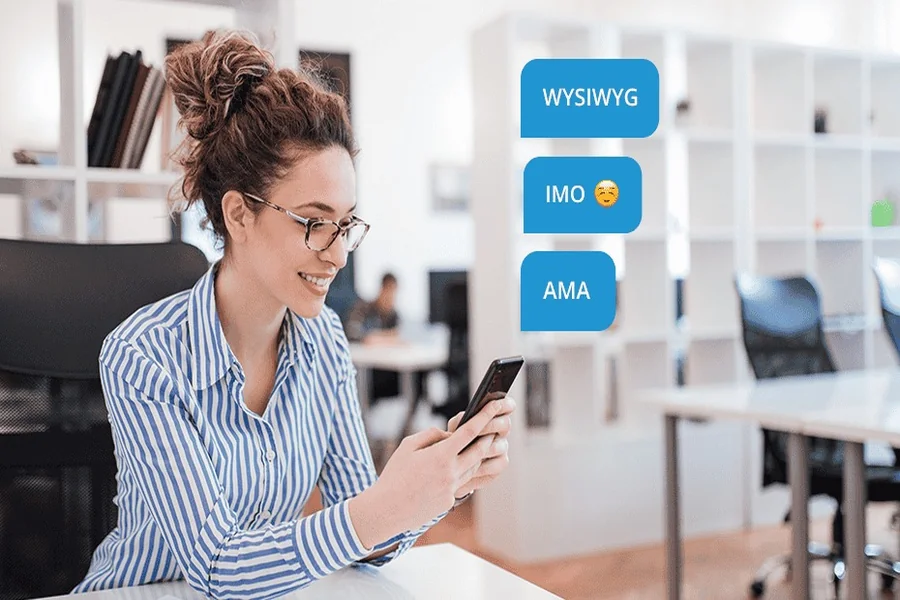
The internet has its own language. It moves fast. It feels playful. It often breaks rules. At the heart of this language is slang. When people talk online they shorten words twist meanings and invent new phrases. That is where slang meaning becomes important. If you understand it you feel included. If you do not you feel lost.
Internet acronyms are a big part of this world. They save time. They add emotion. They turn simple chats into lively conversations. This article explores the fun side of slang. It breaks down how acronyms started how they are used and why slang meaning matters so much today.
What Is Internet Slang
Internet slang is informal language used online. It appears in chats comments memes and social posts. It often uses short forms emojis and playful spellings. Acronyms are one of the most common types.
An acronym is made from the first letters of words. For example LOL means laughing out loud. BRB means be right back. These terms spread fast because they are easy to type and easy to remember.
The slang meaning of these acronyms goes beyond the words. LOL does not always mean real laughter. Sometimes it softens a message. Sometimes it shows friendliness. Understanding this makes online talk more human.
Why Acronyms Became Popular
The early internet was slow. People used chat rooms and text messages with limits. Short forms saved time and space. Acronyms solved a problem.
But even after technology improved acronyms stayed. Why. Because they feel natural. They match the fast pace of online life. They let people respond quickly without sounding cold.
Slang meaning also plays a role. Acronyms help show tone. Text lacks voice and facial cues. A simple OK can sound harsh. Adding LOL or TBH makes it softer. This emotional layer keeps conversations smooth.
Common Internet Acronyms and Their Slang Meaning
Some acronyms are almost universal now. Let us look at a few and how their slang meaning has changed.
LOL is the most famous. It once meant loud laughter. Now it often means mild amusement or friendliness. People use it even when they are not laughing.
OMG means oh my god. It shows surprise shock or excitement. Sometimes it is serious. Sometimes it is playful.
BTW means by the way. It helps shift topics. It feels casual and friendly.
IDK means I do not know. It sounds relaxed compared to a full sentence.
IMO means in my opinion. It softens disagreement. It shows respect for other views.
Each of these shows how slang meaning is flexible. The same acronym can feel different depending on context.
How Slang Creates Online Identity
The way you use slang says a lot about you. It shows age interests and online habits. Gamers use different slang than office workers. Teens use different acronyms than older users.
Using the right slang meaning helps you fit into a group. It signals that you understand the culture. It builds trust quickly.
For example using GG in gaming means good game. It shows sportsmanship. Using it outside gaming might confuse people. Context matters.
This shared language creates a sense of belonging. It turns strangers into communities.
The Role of Social Media
Social media platforms push slang forward. Trends rise and fall quickly. New acronyms appear almost daily.
Platforms like Twitter and TikTok favor short content. Acronyms fit perfectly. They help users express more with fewer characters.
Hashtags also spread slang meaning. When a phrase trends millions see it at once. Soon it becomes part of daily talk.
Memes amplify this effect. A meme often includes slang that carries humor. Even without words the slang meaning is understood by the community.
Slang Meaning and Humor
A big reason slang is fun is humor. Acronyms can be ironic. They can exaggerate emotions.
For example using LOL after bad news can signal awkward humor. Using RIP for a dead joke adds drama.
Some acronyms are jokes themselves. SMH means shaking my head. It shows disbelief or mock frustration.
These playful uses make conversations lively. They reduce tension. They help people connect through shared humor.
How Slang Changes Over Time
Slang never stays still. Acronyms that were popular ten years ago may sound outdated now. New ones replace them.
For example ROFL was once common. Now it feels old. People prefer simpler terms.
This change keeps slang fresh. It reflects cultural shifts. It also shows how slang meaning adapts.
Some acronyms shift meaning instead of disappearing. LOL is a clear example. Its original meaning faded but its social function grew.
Misunderstandings and Slang
Slang can also cause confusion. Not everyone knows the same acronyms. Cultural differences matter too.
An acronym may mean one thing in one group and something else in another. This can lead to awkward moments.
That is why context is key. Reading the room matters online just like offline.
Learning slang meaning helps avoid mistakes. It makes communication clearer and smoother.
Slang in Professional Spaces
Slang is not just for casual chats anymore. It appears in work messages too. Teams use acronyms to sound friendly.
But balance is important. Too much slang can seem unprofessional. Using common terms like FYI or ASAP is usually safe.
Knowing the slang meaning helps you decide when to use it. It is about audience and tone.
In remote work settings slang can reduce distance. It adds warmth to text based communication.
Why People Enjoy Learning Slang
Decoding slang feels like solving a puzzle. It gives a sense of achievement. It keeps people curious.
Understanding slang meaning also helps people stay connected with trends. It prevents feeling left out.
For many it is fun to watch language evolve. Slang shows creativity. It shows how people play with words.
This playful side makes the internet feel alive.
The Future of Internet Acronyms
Internet language will keep changing. New platforms will shape new slang. Voice messages and video may change how acronyms are used.
But the need for quick expressive language will remain. Slang meaning will continue to adapt.
Some acronyms may fade. Others will stay and evolve. New ones will appear when needed.
The fun lies in watching and learning.
How to Keep Up With Slang Meaning
Staying updated does not require effort. Just observe. Read comments. Notice how people react.
Ask when unsure. Most people enjoy explaining slang. It builds connection.
You can also learn from memes and trending posts. They often introduce new slang meaning in context.
The key is curiosity not pressure.
Final Thoughts
Internet slang and acronyms are more than shortcuts. They are tools for expression. They carry tone humor and identity.
Understanding slang meaning helps you navigate online spaces with ease. It makes conversations smoother and more enjoyable.
The fun side of slang lies in its flexibility. It breaks rules. It adapts fast. It belongs to everyone who uses it.
As long as people communicate online slang will thrive. And decoding it will always be part of the fun.

