
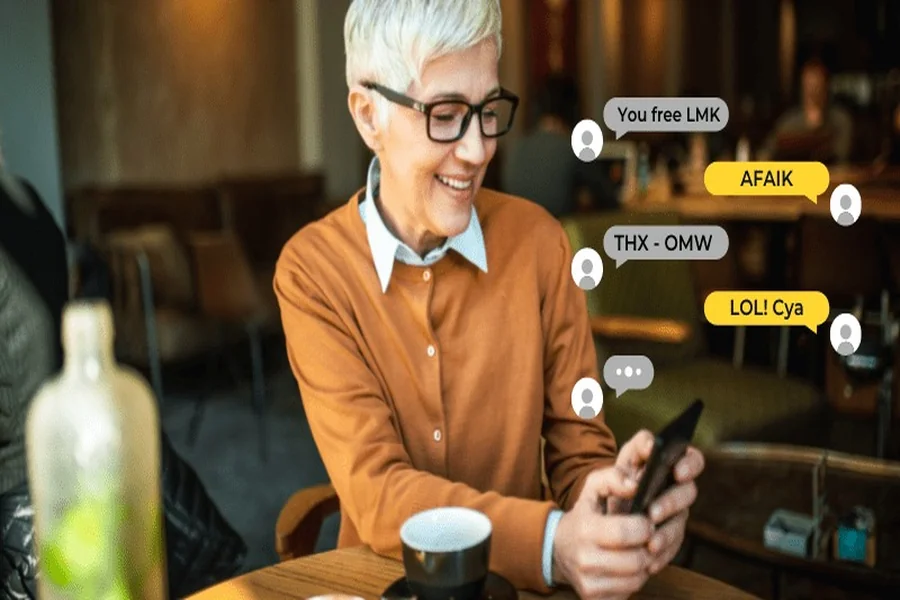
The internet has changed how people talk. Messages are faster. Sentences are shorter. Slang rules the screen. One big part of this change is internet acronyms. They pop up in chats, comments, memes, and even work emails. Many people use them without thinking. Others feel confused when they see a string of letters that make no sense. This is where abbreviation meanings become important. Knowing them helps you follow conversations and feel more confident online.
Internet slang is not just lazy typing. It is creative. It is playful. It brings people together. Acronyms save time and add tone. They show emotion without long explanations. This article explores the fun side of slang and breaks down how internet acronyms work. You will learn where they came from, why people love them, and how to understand abbreviation meanings with ease.
What Are Internet Acronyms
Internet acronyms are short forms made from the first letters of words. They stand for full phrases. For example LOL means laugh out loud. BRB means be right back. These shortcuts became popular because early internet users had limits. Text messages had character caps. Chat rooms moved fast. People needed quick ways to respond.
Over time acronyms spread everywhere. Social media helped them grow. Gaming communities added their own terms. Each platform shaped slang in its own way. Today internet acronyms are part of daily language. Even people who avoid slang know a few common ones.
Understanding abbreviation meanings is like learning a new dialect. Once you know the basics everything feels easier.
Why Slang Feels Fun
Slang feels fun because it breaks rules. It plays with language. Acronyms can sound casual or friendly. They make messages feel less formal. Saying LOL feels lighter than writing I am laughing.
Slang also builds connection. When you use the same acronyms as others you feel part of a group. It can signal humor. It can show shared culture. That is why young users create new slang so often. It helps them stand out.
Internet acronyms also add speed. A quick TBH or IDK keeps the flow going. Conversations feel natural. This mix of speed and creativity is why slang sticks around.
Common Internet Acronyms and Their Meanings
Some acronyms appear everywhere. Knowing them helps you navigate most online spaces.
LOL means laugh out loud. It often shows mild amusement not real laughter.
OMG means oh my god. It shows surprise or shock.
IDK means I do not know.
BTW means by the way.
FYI means for your information.
BRB means be right back.
IMO means in my opinion.
TBH means to be honest.
SMH means shaking my head.
IRL means in real life.
These examples show how abbreviation meanings shape tone. The same sentence can feel serious or relaxed depending on the acronym used.
How Acronyms Change Meaning Over Time
One interesting thing about slang is how meanings shift. LOL once meant real laughter. Now it can soften a sentence. People write LOL at the end of a message to sound polite.
Another example is RIP. It started as rest in peace. Now people use it jokingly when something fails. Language adapts fast online. Acronyms follow trends.
Understanding abbreviation meanings also means understanding context. The same acronym can feel kind or rude depending on how it is used. That is why tone matters.
Slang Across Different Platforms
Each platform has its own style of slang. Twitter favors short acronyms due to character limits. TikTok mixes slang with sounds and captions. Gaming chats use fast acronyms like GG for good game or AFK for away from keyboard.
Work platforms also use acronyms. People write EOD for end of day or ASAP for as soon as possible. These are more formal but still part of internet culture.
Knowing abbreviation meanings helps you switch tone. You know when slang fits and when it does not.
Generational Gaps and Slang
Slang can highlight age gaps. Younger users adopt new acronyms quickly. Older users may feel left out. This creates funny moments online.
For example teens might use FR meaning for real. Or NGL meaning not gonna lie. These feel natural to them. Others may need to look them up.
This gap is not a problem. Language always evolves. Learning abbreviation meanings keeps communication smooth across ages.
How Memes Boost Acronym Culture
Memes play a big role in spreading slang. A meme can make an acronym popular overnight. People repeat it. Remix it. Share it everywhere.
For example FOMO meaning fear of missing out became popular through social posts. YOLO meaning you only live once spread through memes and songs.
Memes give acronyms emotion and humor. They turn simple letters into cultural signals. That is why slang feels alive online.
Acronyms in Global Communication
The internet connects people worldwide. English acronyms often cross borders. Even non native speakers use them.
This shared slang helps global conversations. A gamer in Asia understands GG. A creator in Europe knows DM means direct message.
At the same time local slang appears too. Some acronyms stay regional. Understanding abbreviation meanings becomes a mix of global and local knowledge.
When Slang Causes Confusion
Slang is fun but it can confuse. Too many acronyms can block understanding. New users may feel lost.
For example someone might see IYKYK and feel confused. It means if you know you know. Without context it feels strange.
This is why clarity matters. In mixed groups it helps to limit slang. Or explain it once. Knowing when to use acronyms is as important as knowing their meanings.
Learning Abbreviation Meanings Easily
You do not need to memorize long lists. The best way to learn is exposure. Read comments. Watch how people use slang.
Ask questions when unsure. Many people enjoy explaining slang. Online dictionaries also help.
Pay attention to context. Tone often reveals meaning. Over time abbreviation meanings become natural to you.
Slang and Identity Online
Slang helps people shape identity. The acronyms you use say something about you. Using casual slang can show friendliness. Avoiding it can show professionalism.
Some people mix both styles. They adjust based on audience. This flexibility is part of digital literacy.
Knowing abbreviation meanings gives you control. You choose how you sound online.
The Future of Internet Acronyms
Internet slang will keep changing. New platforms will create new acronyms. Some old ones will fade. Others will stay forever.
AI chats and voice tools may change how slang spreads. But people will always find ways to shorten language. Speed matters online.
Understanding abbreviation meanings will remain useful. It helps you stay connected as language evolves.
Final Thoughts
Internet acronyms are more than shortcuts. They are tools of expression. They add humor. They save time. They build community.
The fun side of slang comes from creativity and connection. Decoding internet acronyms helps you enjoy online spaces more. It reduces confusion and boosts confidence.
As you scroll and chat remember that every acronym has a story. Learning abbreviation meanings is like learning the rhythm of the internet. Once you get it communication feels smooth and natural.

