
Wildlife encounters in Punta Cana offer families a rare chance to step away from the all-inclusive routine and connect with the Caribbean’s living ecosystems in a way that resonates long after the trip ends.
The Dominican Republic shares the island of Hispaniola with Haiti, and this unique geography has given rise to species found nowhere else on Earth. One of the most remarkable examples is the rhinoceros iguana, a large reptile whose distinctive appearance immediately captures children’s attention. For parents seeking enriching, kid-friendly experiences beyond the resort pool, observing local animals can transform a vacation into a meaningful encounter with nature.
One of the most memorable things to do in Punta Cana with kids is visiting an eco-park, where families can enjoy close encounters with native species in a carefully managed environment. The experience unfolds at a gentle pace, giving young travelers time to observe, ask questions, and learn more about the wildlife of the Dominican Republic.
Native species families can meet in Cap Cana
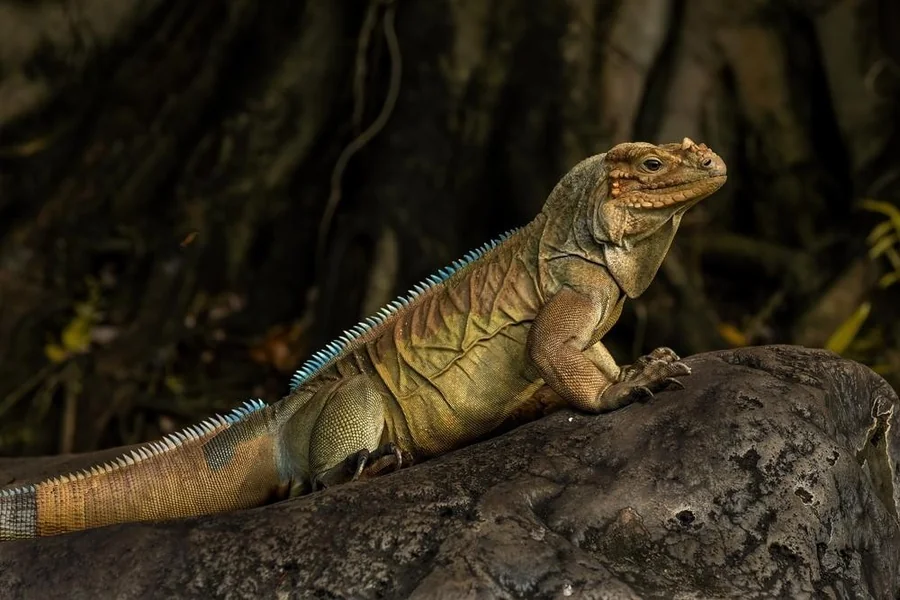
The rhinoceros iguana is one of the most fascinating animals families can encounter during a visit to Cap Cana. This endangered reptile is endemic to Hispaniola, meaning its natural habitat is limited to the Dominican Republic and Haiti.
Rhinoceros iguanas
The species gets its name from the bony growths on its snout, which resemble the horns of a rhinoceros. Its prehistoric appearance, thick body, and textured scales make it especially interesting to children who may never have seen such a distinctive reptile before.
These iguanas also play an important role in the local ecosystem. Their primarily herbivorous diet includes leaves, flowers, berries, seeds, and fruit. As they move through their habitat and disperse seeds, they contribute to the regeneration of native vegetation.
Monkeys, macaws, and other animals
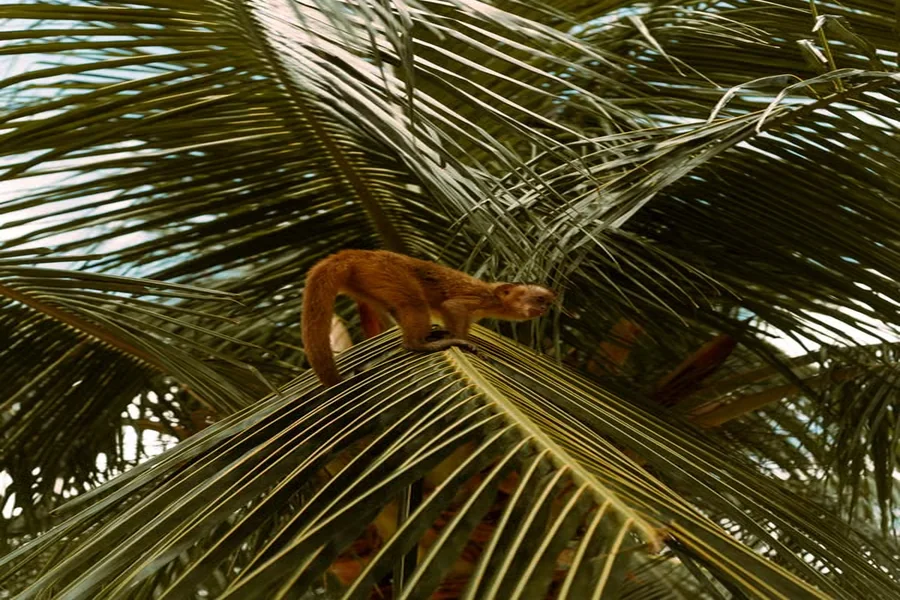
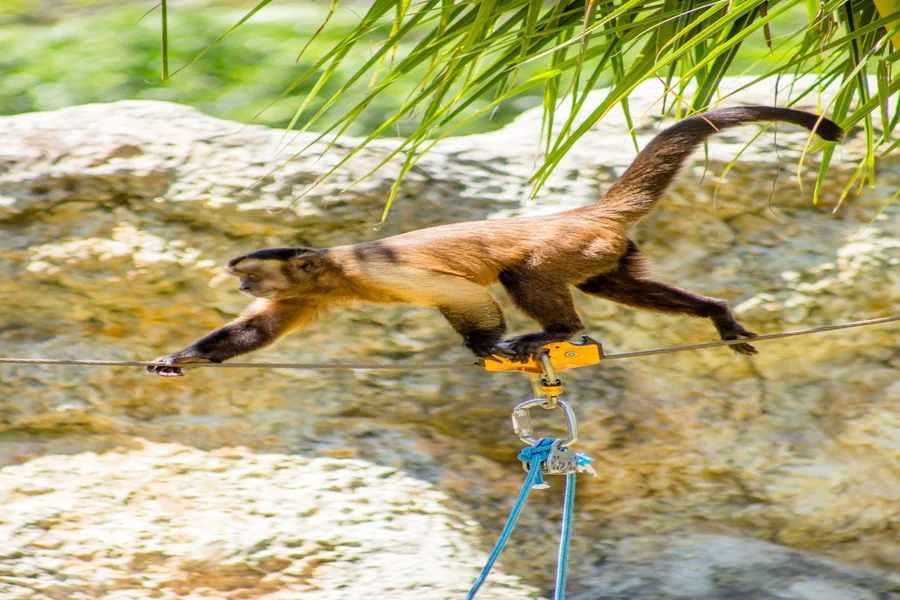
Beyond iguanas, families may also observe squirrel and capuchin monkeys, tropical birds, and domestic animals in designated areas. Each encounter gives children an opportunity to notice how animals move, communicate, eat, and interact with their surroundings.
Some of the animals families may encounter include:
- Rhinoceros iguanas with their characteristic horn-like snouts.
- Colorful macaws and other tropical birds.
- Squirrel and capuchin monkeys.
- Goats, horses, and other domestic animals in supervised spaces.
These environments are designed to balance discovery with animal welfare, allowing visitors to observe wildlife without disrupting natural behaviors.
Why wildlife experiences resonate with kids and parents
Children are natural observers, and wildlife encounters tap into that curiosity in ways that screens and swimming pools cannot. Watching a monkey’s quick movements or studying the texture of an iguana’s scales invites questions about adaptation, habitat, diet, and survival.
Learning through observation
Seeing animals up close helps make environmental concepts easier for children to understand. Instead of only hearing about conservation, they can observe how each species has physical and behavioral characteristics suited to its environment.
Parents can encourage learning by asking simple questions:
- What colors, shapes, and textures can you see?
- How does the animal move through its habitat?
- What might it eat in the wild?
- Why is protecting its natural environment important?
These conversations turn a recreational activity into an accessible learning experience without making the visit feel like a formal lesson.
A shared experience for every generation
Wildlife encounters can also work well for multigenerational groups. Grandparents may appreciate the slower pace, teenagers can engage with conservation topics, and younger children are often captivated by the sensory richness of feathers, fur, scales, and animal sounds.
Because each person notices something different, the experience becomes a shared family story that can be discussed long after the vacation ends.
Conservation and ecosystem education along the trails
Wildlife areas provide a gentle introduction to the biodiversity of the Dominican Republic. Interpretive signs, designated observation points, and guidance from park staff can help visitors understand the connection between local animals, native plants, and healthy ecosystems.
Understanding the role of each species
Animals are not isolated from their surroundings. Rhinoceros iguanas, for example, help distribute seeds after eating fruit and vegetation. Birds may contribute to pollination and seed dispersal, while other species form part of the food chains that keep natural environments balanced.
Sharing these relationships with children helps them understand that even animals that appear small or unfamiliar can perform essential ecological functions.
Practicing responsible wildlife tourism
A responsible animal encounter should prioritize observation, education, and respect. Families can contribute to animal welfare by following a few basic principles:
- Interact with animals only in areas where it is permitted.
- Follow instructions provided by guides and animal-care staff.
- Avoid shouting, chasing animals, or making sudden movements.
- Never offer food unless it is supplied and authorized by the staff.
- Keep an appropriate distance from animals resting or eating.
- Avoid using flash photography.
These habits protect both visitors and animals while teaching children how to behave respectfully around wildlife.
Practical tips for visiting with children
Planning ahead can make a wildlife experience more enjoyable, particularly in Punta Cana’s warm tropical climate.
Choose the right time of day
Mornings are often a comfortable option for families with younger children because temperatures may feel milder and children are usually more rested. Animals may also be more active before the strongest midday heat.
Families who visit later in the day should plan regular breaks and avoid rushing between attractions.
Pack for comfort and safety
Useful items for a family wildlife outing include:
- Comfortable, closed-toe shoes with good grip.
- Lightweight and breathable clothing.
- Hats or caps for additional sun protection.
- Sunscreen suitable for outdoor activities.
- Reusable water bottles, when permitted.
- A phone or camera used without flash.
Parents should keep young children nearby, especially along uneven paths or close to animal enclosures.
Let children explore at their own pace
Wildlife experiences can be stimulating, particularly for young visitors. Shaded rest areas offer a chance to hydrate, cool down, and talk about the animals the family has already seen.
A slower itinerary also gives children time to focus on individual encounters instead of moving quickly from one animal to the next. This often results in better memories and a more relaxed family experience.
Where curiosity meets conservation
Wildlife encounters in Punta Cana add an educational and nature-focused dimension to a family vacation. Experiences such as Faunaland at Scape Park invite children to discover native species, observe animal behavior, and understand why responsible tourism matters.
For families looking beyond the usual beach and resort activities, spending time with the region’s wildlife offers something both accessible and meaningful. Children return home with more than photographs: they gain a deeper appreciation for the living ecosystems that make the Dominican Republic unique.

