
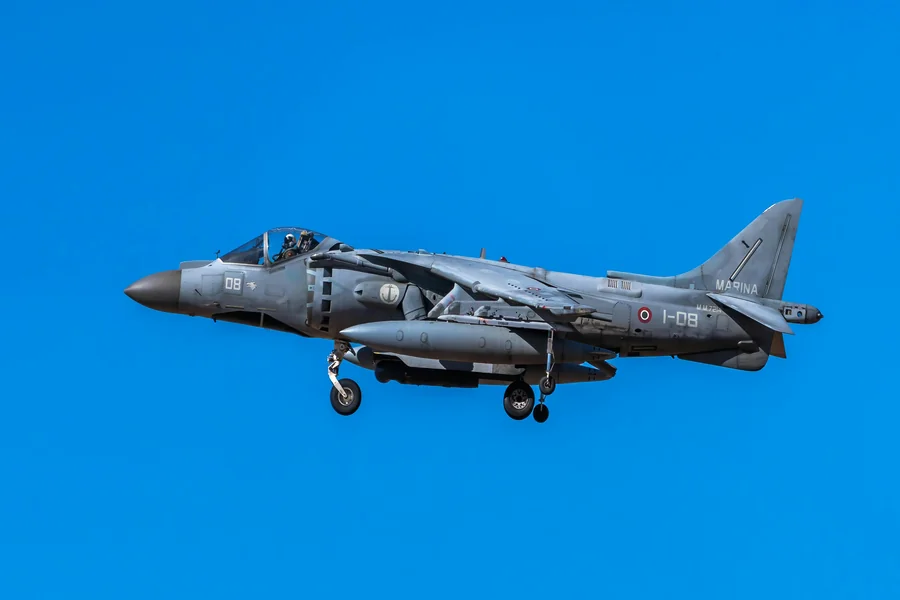
Foreign object damage poses a significant risk to aircraft performance, safety, and reliability. Sensors play a critical role in providing accurate data for navigation, airspeed, altitude, and system monitoring, making their protection essential during all phases of operation. Even small contaminants such as dust, insects, or debris can interfere with sensor accuracy and lead to costly maintenance issues or operational hazards. By implementing consistent preventive practices, aircraft owners, operators, and maintenance teams can safeguard sensitive components and maintain optimal performance.
Use Protective Covers on Critical Sensors
One of the most effective ways to prevent foreign object damage is to shield exposed sensors whenever the aircraft is parked or undergoing maintenance. Components such as pitot tubes, static ports, and angle of attack sensors are particularly vulnerable to contamination. Using reputable pitot covers helps block insects, moisture, and debris from entering these openings and ensures that airspeed readings remain accurate.
High quality covers are designed to fit securely, resist weather conditions, and remain visible during preflight checks. Bright colors and remove before flight tags help prevent accidental takeoff with covers still in place. Consistent use of protective covers is a simple yet essential practice that significantly reduces the risk of sensor obstruction.
Maintain Clean Surroundings During Ground Operations
The environment around an aircraft can contribute to sensor contamination if not properly managed. Dust, loose hardware, small tools, and organic debris can easily become foreign objects that interfere with sensitive components. Keeping the ramp, hangar, and maintenance areas clean helps minimize the risk of accidental contamination.
Ground crews should regularly inspect workspaces, remove unnecessary items, and ensure that all tools are accounted for before and after maintenance tasks. Even small particles can cause issues when they accumulate near sensor openings. A clean environment supports safer operations and reduces the likelihood of unexpected maintenance needs.
Conduct Thorough Preflight and Postflight Inspections
Routine inspections are essential for identifying early signs of foreign object damage. During preflight checks, pilots and maintenance personnel should examine all exposed sensors for signs of blockage, residue, or physical damage. Ensuring that protective covers have been removed and that sensors are unobstructed helps maintain accurate readings throughout the flight.
Postflight inspections are equally important. Debris may accumulate during landing or taxiing, and early detection prevents issues from developing between flights. Consistent inspection routines help catch problems before they escalate and support long term sensor reliability.
Implement Strong Maintenance and Cleaning Procedures
Proper maintenance practices play a major role in preventing foreign object damage. Cleaning procedures should be performed using approved materials and techniques to avoid damaging sensitive components. Harsh chemicals, abrasive tools, or excessive pressure can compromise sensor integrity.
Maintenance teams should follow manufacturer guidelines for cleaning and servicing sensors, ensuring that each component is handled with care. Regular calibration and functional checks help verify that sensors are performing correctly and have not been affected by contamination. A disciplined maintenance program supports both safety and operational efficiency.
Control Wildlife and Environmental Exposure
Wildlife and environmental factors can introduce unexpected contaminants into aircraft sensors. Birds, insects, and small animals may seek shelter in warm or enclosed areas, while wind can carry dust, sand, or debris toward exposed components. Implementing wildlife control measures and monitoring environmental conditions helps reduce these risks.
Hangar storage, when available, provides an added layer of protection from weather and airborne debris. For aircraft parked outdoors, using protective equipment and regularly checking for signs of wildlife activity helps maintain sensor cleanliness. Awareness of environmental conditions, such as high winds or heavy pollen, also supports proactive protection efforts.
Conclusion
Preventing foreign object damage in aircraft sensors requires consistent attention, proper equipment, and disciplined maintenance practices. By using protective covers, maintaining clean surroundings, conducting thorough inspections, following approved cleaning procedures, and managing environmental exposure, operators can safeguard critical components and support safe, reliable aircraft performance.

