
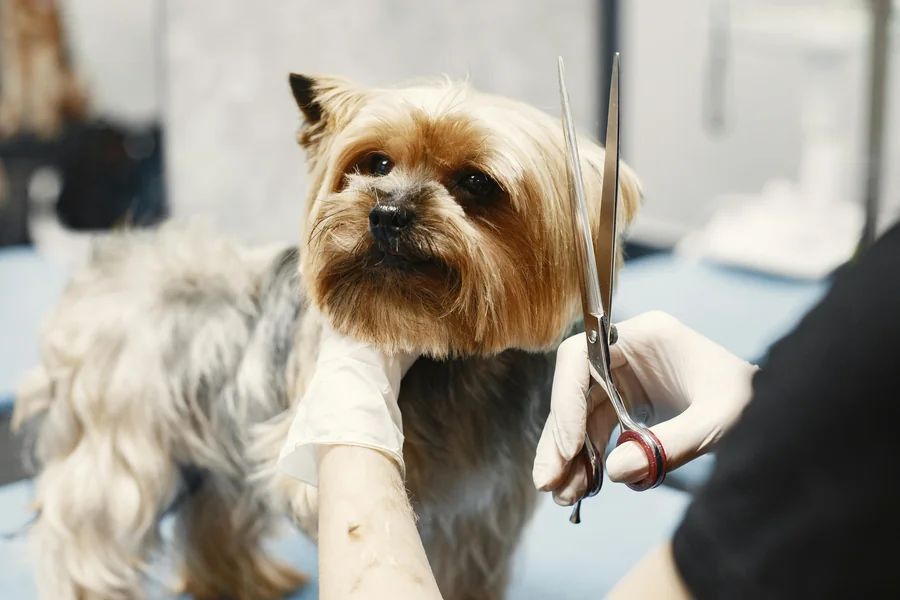
A healthy, glossy coat is one of the clearest signs that a dog is thriving. Soft fur not only looks beautiful but also reflects proper nutrition, grooming habits, and overall wellness. While every breed has unique coat characteristics, the fundamentals of maintaining shine and softness remain consistent. With the right routine and a bit of consistency, pet owners can support their dog’s skin health, reduce shedding, and keep their companion looking and feeling their best.
Nourish Your Dog With a Balanced, High‑Quality Diet
A soft, shiny coat begins with proper nutrition. Dogs rely on essential fatty acids, vitamins, and minerals to maintain healthy skin and fur. Omega‑3 and omega‑6 fatty acids, in particular, play a major role in reducing dryness and supporting natural shine. High‑quality proteins also help strengthen hair follicles and promote healthy growth.
Choosing a well‑balanced diet that includes whole ingredients and appropriate nutrient levels can make a noticeable difference in coat texture. When a dog receives the nourishment they need, their fur becomes more resilient, less prone to breakage, and naturally more vibrant.
Establish a Consistent Grooming Routine
Regular grooming is one of the most effective ways to maintain coat softness. Brushing removes loose hair, prevents tangles, and distributes natural oils across the coat. These oils act as a natural conditioner, keeping fur smooth and hydrated.
Bathing also plays a role, but it should be done with care. Using a gentle, dog‑specific shampoo helps cleanse the coat without stripping essential moisture. Overbathing can lead to dryness, so finding the right frequency for your dog’s breed and lifestyle is important. Many pet owners also rely on professional services such as pet grooming in Johns Creek, GA, to ensure their dog receives thorough, high‑quality care that supports coat health.
Support Skin Health With Proper Hydration
Hydration is essential for maintaining a healthy coat. When a dog is well hydrated, their skin remains supple and less prone to irritation or flakiness. Dehydration can lead to dull fur, increased shedding, and discomfort.
Ensuring your dog has access to fresh water throughout the day helps maintain internal hydration levels. Some dogs benefit from moisture‑rich foods or added hydration during warmer months or periods of increased activity. When the skin is healthy, the coat naturally follows.
Incorporate Coat‑Friendly Supplements When Needed
Some dogs benefit from supplements that support coat health, especially if they have naturally dry skin or specific dietary needs. Fish oil, flaxseed oil, and certain vitamin blends can help improve coat texture and reduce shedding.
Before introducing supplements, it is important to consult with a veterinarian to ensure they are appropriate for your dog’s age, breed, and health status. When used correctly, supplements can enhance the effects of a balanced diet and contribute to a softer, shinier coat.
Maintain Regular Veterinary Checkups
A dog’s coat often reflects their overall health. Conditions such as allergies, thyroid imbalances, or skin infections can affect coat quality. Regular veterinary checkups help identify underlying issues early and ensure that your dog receives the care they need.
If changes in coat texture or appearance occur suddenly, a veterinarian can help determine whether the cause is environmental, nutritional, or medical. Addressing health concerns promptly supports long‑term coat health and overall well‑being.
Create a Stress‑Free Environment for Your Dog
Stress can impact a dog’s physical health, including the condition of their coat. Anxiety or environmental stressors may lead to excessive shedding, dullness, or changes in grooming behavior. Creating a calm, predictable environment helps support emotional balance and physical wellness.
Providing regular exercise, mental stimulation, and positive interactions helps reduce stress and promote a healthier coat. When dogs feel secure and content, their bodies function more efficiently, and their coat often reflects that internal balance.
Conclusion
Keeping a dog’s coat soft and shiny involves a combination of proper nutrition, consistent grooming, hydration, supplements when appropriate, veterinary care, and a supportive environment. Each of these steps contributes to healthier skin and fur, helping dogs look and feel their best. With a thoughtful routine and attention to their overall well‑being, pet owners can maintain a coat that reflects their dog’s vitality and comfort.

