
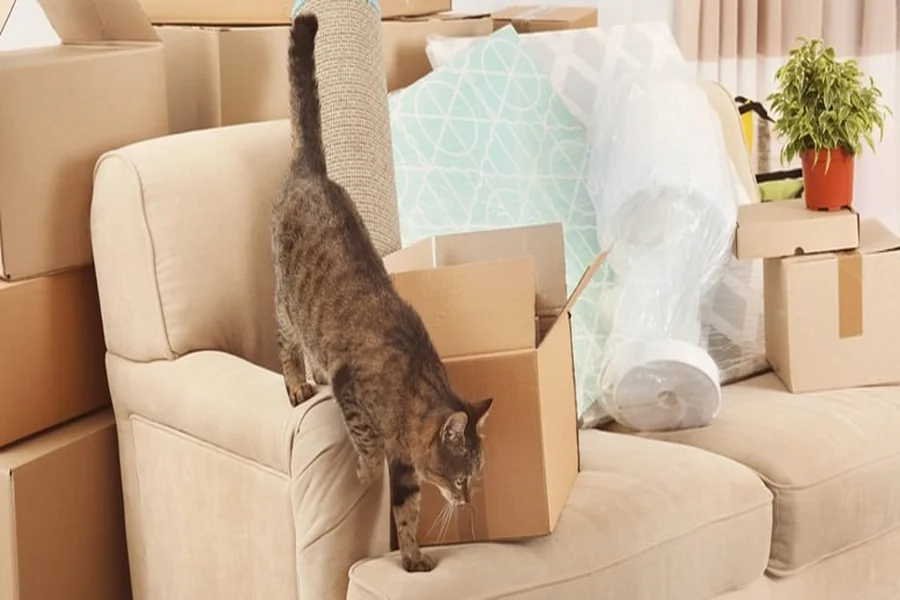
Moving is a difficult time for everyone in the household: everyone is nervous during the packing process, things are moved from place to place, and familiar routines can be disrupted. Even if the journey to the new home was not too long, it still takes time to get used to the new surroundings and put everything in its place.
If moving is a stressful event for people, then it is also true for pets. Pets, especially cats and dogs, are highly sensitive to changes in their environment and routines, as well as unfamiliar sounds and smells. Taking proactive measures to reduce stress during a local move https://bestmovescalgary.ca/local-moving-in-crossfield/ can ensure the safety and well-being of pets while making the process smoother for everyone involved.
- One effective strategy is to prepare a familiar environment for the pet before and during the move. Items carrying their scent, such as bedding, blankets, and favorite toys, should be kept in carriers or designated areas. These familiar scents provide comfort and help reduce anxiety when navigating new surroundings. Maintaining consistency with feeding schedules, playtime, and daily routines also reassures pets that life remains predictable despite the relocation.
- Safe transportation is another critical factor. Pets should be placed in secure, well-ventilated carriers or crates that are appropriate for their size. Lining the carrier with familiar blankets and including a favorite toy can make the journey more comfortable. In cars, it is essential to secure the carrier to prevent movement or tipping during transit. Calm, measured driving, and avoiding sudden stops or loud noises can further reduce stress.
- Gradually exposing pets to the new environment can help them adapt more easily. If possible, visit the new home prior to the move and allow the pet to explore selected areas under supervision. This will help them become accustomed to the new sights, sounds, and smells, which will reduce the shock of the first full day in an unfamiliar space. Once at the new location, initially confine the pet to a safe room with familiar items. Gradually expand their access to other areas as they become more comfortable.
- It is equally important to reduce external stressors during the move. Loud noises from packing, moving furniture, or moving trucks can frighten pets. Keeping pets in a quiet, secluded area away from the activity can help minimize their exposure to these stressors. Playing calming music, using pheromone sprays, and providing interactive toys can also help distract and soothe animals during transitional periods.
It may be advisable to consult a veterinarian before the move, particularly if your pet is prone to severe anxiety. A veterinarian can offer guidance on behavioral strategies and, in rare cases, prescribe short-term medications to safely reduce stress. As animals often take cues from their owners, calm, patient behavior and gentle interaction can signal that the situation is safe.

