
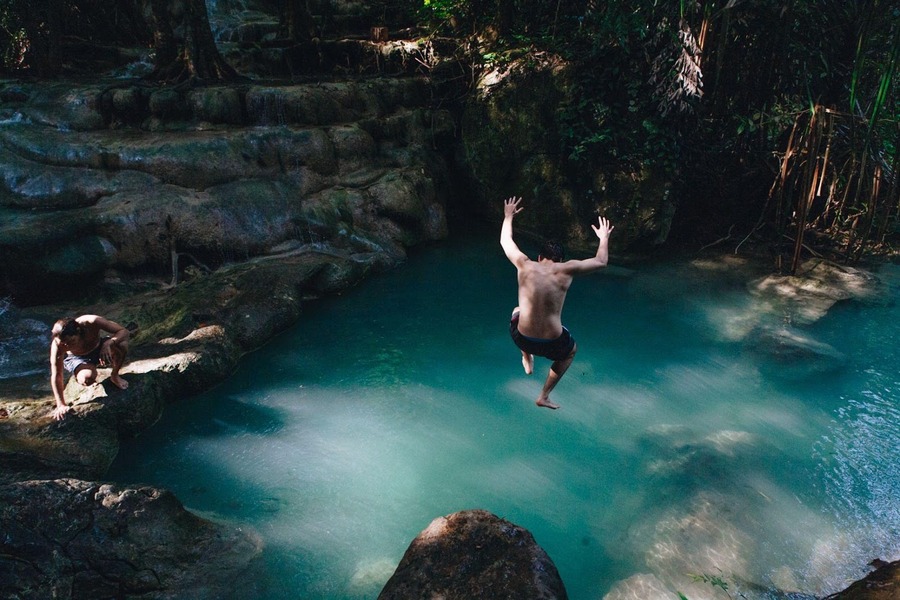
The Dominican Republic is famous for its pristine beaches and vibrant culture, but it also boasts an intriguing underground world filled with numerous hidden caves, each offering a unique glimpse into the nation’s geological and cultural history. When you think of cave swimming in Punta Cana, imagine descending into cool, dimly lit chambers where the temperature drops and the outside world fades away, replaced by the echo of dripping water and the sight of ancient rock formations that have taken millennia to form.
For adventurers seeking something beyond the typical beach experience, a cave swimming experience offers an exclusive opportunity to immerse yourself in freshwater pools surrounded by stalactites and stalagmites, creating memories that go far deeper than a simple dip in the ocean.
What makes underground caves Punta Cana so special
As a geological formation, karst soils are characteristic of some areas in the Caribbean, ranging all the way from the Yucatan Peninsula to the Antilles. The different cave formations can be quite stunning: stalactites hang from the ceilings like icicles; stalagmites grow out of the floors; and vast underground chambers soar high into the air.
The water inside these caverns is remarkably clear and refreshingly cool, often maintaining a temperature significantly lower than the tropical air above. This creates a unique microclimate that feels almost otherworldly when you first step inside. The limestone walls filter the water naturally, giving it a crystalline quality that allows you to see every detail of the submerged rock formations below.
Caves have played a significant role in the Dominican Republic’s cultural history, as many were once inhabited by the indigenous Taíno people, who left behind intriguing petroglyphs and pictographs on cave walls that offer a glimpse into the lives and beliefs of the Taíno civilization. Walking through these chambers means following in the footsteps of ancient civilizations who considered these spaces sacred.
Exploring Punta Cana cave tours: what to expect
When you embark on punta cana cave tours, you’re signing up for an experience that engages all your senses. The journey typically begins with a hike through lush tropical vegetation, where the sounds of exotic birds and rustling leaves accompany your descent toward the cave entrance. As you approach, the temperature begins to shift, and you’ll feel the cool air emanating from the underground passages.
Once inside, your eyes adjust to the softer lighting—whether natural sunlight filtering through openings or carefully placed illumination that highlights the geological features without overwhelming the natural ambiance. This underground network of chambers and tunnels connects you with centuries of natural and cultural history, where you’ll discover stalactites, stalagmites, and petroglyphs carved by the Taínos, all set in an environment shaped by water and time.
Geological wonders you’ll encounter
The formations inside these caves are nothing short of spectacular. Stalactites—those icicle-like structures hanging from the ceiling—form as mineral-rich water drips slowly over thousands of years, leaving behind calcium carbonate deposits. Stalagmites grow upward from the floor in the same manner, and when they eventually meet, they create columns that look like natural pillars supporting the cave roof.
The sensation of swimming in freshwater pools
The highlight of any cave swimming adventure is the moment you enter the water. Unlike the warm Caribbean Sea, these freshwater pools are cool and invigorating, providing instant relief from the tropical heat. The water is so clear that you can see the rocky bottom even in deeper sections, and the silence is profound—broken only by the gentle sound of water droplets echoing through the chambers.
Safety and preparation tips
Before you venture into swimming in caves in the Dominican Republic, proper preparation is essential. Water shoes or closed-toe footwear with good traction are mandatory, as cave floors can be slippery and uneven. Many tours provide safety helmets to protect against low ceilings and unexpected bumps.
Key safety items include:
- Appropriate footwear with good traction, such as hiking boots or sturdy water shoes
- A reliable source of light, such as a headlamp or flashlight with extra batteries
- A helmet to protect your head from low ceilings and falling rocks

Swimming in caves Dominican Republic: the Iguabonita Cave experience
Iguabonita Cave is one of the most visited Dominican caves in Punta Cana because it combines accessibility, natural beauty, and a captivating experience from the first step. This particular cave offers a perfect introduction to underground exploration for those who may be new to cave swimming.
Iguabonita is a cave tour in Punta Cana through the heart of the Earth, offering a tranquil journey with plenty of opportunities to pause and admire the striking rock formations, making it the perfect experience for anyone looking to explore Cap Cana’s natural caves while connecting with the island’s geological history. The tour is designed to be accessible while still providing that sense of adventure and discovery that makes cave exploration so thrilling.
The temperature inside the cave is cooler than the surface, though some sections may feel humid. This creates a comfortable environment for exploration, especially during the hottest parts of the day when the contrast between the tropical heat and the cave’s cool interior is most pronounced.
Why cave swimming beats traditional beach activities
While Punta Cana’s beaches are undeniably beautiful, cave swimming offers something that sunbathing and snorkeling simply cannot: a sense of exploration and discovery. You’re not just observing nature from the surface—you’re entering into it, becoming part of an ecosystem that exists in near-total darkness and silence.
- Exclusivity: Far fewer tourists venture underground compared to those who stay on the beaches, giving you a more intimate experience
- Year-round comfort: The cave’s natural temperature regulation means you can enjoy this activity even during the hottest months
- Educational value: Learning about karst formations, Taíno history, and geological processes adds depth to your vacation
- Unique photo opportunities: The dramatic lighting and otherworldly rock formations create stunning backdrops
- Physical engagement: Unlike passive beach lounging, cave exploration involves hiking, climbing, and swimming
The Dominican Republic averages one cave for each square kilometre of territory, but has areas where they’re especially concentrated, such as Los Haitises National Park, with more than 15,000, thanks to the filtration of rainwater into the porous local limestone. This abundance means there are options for every skill level and interest, from gentle walks through illuminated chambers to more challenging expeditions involving rappelling and underground river navigation.
Cave swimming Punta Cana represents a departure from the typical Caribbean vacation itinerary, offering adventurers a chance to connect with the island’s hidden natural wonders in a profoundly personal way. The combination of geological beauty, cultural significance, and physical adventure creates an experience that stays with you long after you’ve returned to the surface.
It’s an adventure that reminds us that sometimes the most extraordinary experiences are found not by looking out at the horizon, but by looking down—and daring to descend into the earth itself.