
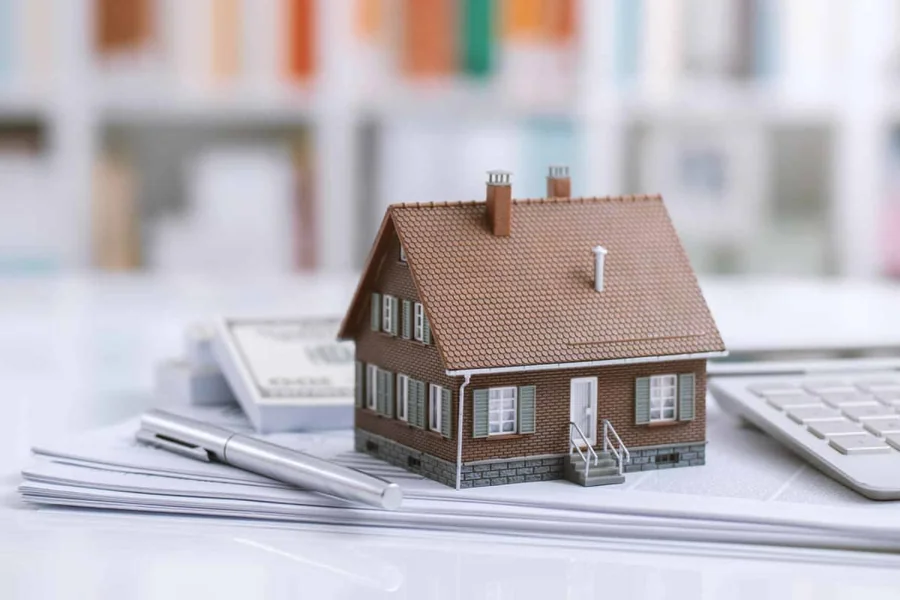
Is Home Improvement Tax Deductible
Is home improvement tax deductible is a question that most homeowners ask, when considering upgrades or renovations. This is determined by the nature of the improvement, the usage of the property and the existing tax laws. Although the majority of home improvements are not tax deductible, in some cases, homeowners can enjoy tax savings.
Knowing the distinction between repairs, improvement and deductions to be deducted can make you make better financial choices and maybe save on taxes.
What is a Home Improvement?
Home improvements are those projects that value add to your property, increase its life or modify it to new use. They may involve the remodeling of a kitchen, the addition of a new room, renovating a bathroom, or roofing.
Improvements are long-term upgrades as opposed to basic repairs. Repairs are necessary to preserve the existing status of your house like repairing a leak or repainting a wall whereas improvements are done to increase the value or functionality of the property.
This difference is critical since there is a difference in how repairs and improvements are treated in terms of tax.
Are Tax Deductible Home Improvements?
In the majority of the cases, primary residence home improvements cannot be deducted immediately. Nevertheless, they can also be financially beneficial in other aspects.
The cost of improvements is normally added to the cost basis of your home instead of a direct deduction. This has an ability to lower the capital gains tax you will pay at the time of selling the property.
To illustrate, say you do some significant upgrades on your house and later sell it at a higher price the cost of the upgrades can be used to reduce the amount of your taxable gain.
Where Home Improvements can be tax deductible
Certain circumstances allow home improvements to be tax deductible or tax credit.
In the event that you use part of the home exclusively to do business, then home office improvements may be deductible. A part of the expenditure incurred in the renovation in these situations can be deducted as a business expense.
Improvements to rental property are deductible. When you have a rental property, the expenses that you incur in improving it can usually be depreciated against income tax, decreasing your taxable income.
Even medical-related improvements can be eligible. In case you do it on medical grounds, like you install ramps, or make doorways wider, certain expenses can be deductible.
Another exception is energy efficient upgrades. Installation of solar panels, energy efficient windows, or insulation can be tax credit eligible as per some programs.
Tax deductions vs Tax credits
It is important to know the distinction between tax credits and tax deductions.
The tax deductions decrease your taxable income, thus decreasing the income to be taxed.
Tax credits can also reduce the amount of tax payable, which is more beneficial in most situations.
Green home upgrades are usually tax credits instead of tax deductions, which offer a short-term financial incentive.
Capital Improvements and Tax Benefits
Major renovations that enhance the value of your house include adding a new room, upgrading systems or remodelling important areas of your home.
The improvements do not get deducted one year but accrued to the cost basis of your property. This adjusted basis can lessen your capital gains tax when selling your home.
It is significant to keep the records of all the improvements. In calculating gains, receipts, invoices, and project descriptions will be useful in supporting your claims.
For homeowners planning renovations, platforms like styletohome can provide practical ideas while also helping you focus on upgrades that add long-term value.
Examples of Deductible and Non-Deductible Improvements
Tax planning can be made easier by understanding what will qualify.
Improvements that are not deductible are usually cosmetic improvements added like painting, landscaping, or minor repairs.
Potentially deductible improvements are energy-efficient installations, medically necessary improvements and business related improvements.
The improvements on rental properties are typically depreciated instead of taking them as a single deduction, which is distributed over a number of years.
The awareness of these differences will assist you in planning projects in terms of functionality and financial gain.
How to maximize tax benefits
Although the majority of home improvements are not deductible, financial benefits can be maximized.
Record properly all the costs incurred on your home improvements. This paperwork will be needed to compute the cost basis and possible tax savings.
Work on energy-efficient improvements that can be eligible as tax credits. Such enhancements not only minimize taxes, but also lessen utility payments.
Take into account the utilization of your property. You can take additional deductions, in case you run a business at home or rent a property.
To make sure that you are in compliance with the current laws and to find opportunities that could be beneficial in your case, consult a tax professional.
Other tools such as styletohome can be used to make the prioritization of improvements that will add to value and efficiency.
Common Misconceptions
Most house owners believe that everything spent on renovation can be tax-deductible, and this is not true.
The other myth is that minor repair is deductible. The fact is, however, that repairs to a primary residence are not, as a rule, deductible unless they are associated with certain qualifying conditions.
Others also mix up tax credits and deductions which cause misinterpretation over the possible savings.
Explaining these points will help avoid expensive errors and enhance financial planning.
Final Thought
The question of whether home improvement is deductible as tax is a question with a complex answer. Although the majority of the improvements to primary residences are not deductible, they may still have long-term financial benefits in terms of the increase in the property values and a decrease in the capital gains tax. Some of the exceptions, including upgrades that consume less energy, improvements in rental property, and medical renovations will present tax savings opportunities. Knowing the rules and making strategic decisions can help homeowners to make wise decisions that will not only benefit their living environment but also their money.
FAQs
Are home improvements tax deductible for primary residences?
Most are not directly deductible, but they can increase your home’s cost basis and reduce capital gains tax when you sell.
What home improvements qualify for tax credits?
Energy-efficient upgrades like solar panels, insulation, and energy-saving windows may qualify for tax credits.
Can I deduct home improvements for a rental property?
Yes, improvements are typically depreciated over time, reducing taxable income.
Are repairs tax deductible?
Repairs are generally not deductible for primary residences unless related to business or rental use.
What is a capital improvement?
It is an upgrade that adds value, extends the life, or adapts a property for new use.
Do medical home improvements qualify for deductions?
Yes, certain modifications for medical purposes may be deductible under specific conditions.
Why should I keep records of home improvements?
Records help calculate your home’s cost basis and support claims for tax benefits when selling the property.

