
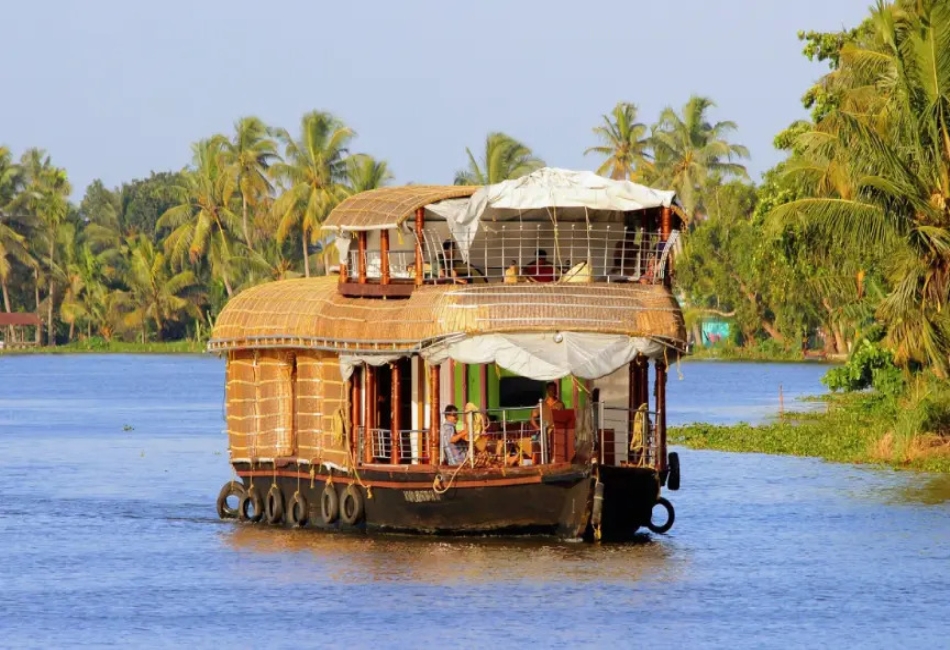
Kerala, often referred to as “God’s Own Country,” is renowned for its breathtaking landscapes, serene backwaters, lush greenery, and rich cultural heritage. Among its many attractions, the temples of Kerala hold a special place, offering visitors a glimpse into the state’s ancient traditions, vibrant rituals, and architectural marvels. A Kerala temple tour is more than just a sightseeing experience—it is a spiritual journey that connects travelers with centuries-old devotion and cultural splendor.
In this article, we will explore the highlights of a Kerala temple tour, key temples to visit, the cultural significance of these sacred places, and tips to make the most of your spiritual adventure.
Why Choose a Kerala Temple Tour?
Kerala’s temples are not only places of worship but also cultural hubs that showcase the state’s unique heritage. The intricate woodwork, stone carvings, murals, and traditional festivals celebrated here attract devotees and tourists alike. A Kerala temple tour allows visitors to:
- Experience the spiritual essence of the region
- Witness age-old rituals and vibrant festivals
- Appreciate traditional Kerala architecture and art
- Learn about Hindu mythology and folklore
- Enjoy the peaceful surroundings that encourage meditation and reflection
For those seeking a blend of spirituality, culture, and history, a Kerala temple tour offers an unforgettable and enriching experience.
Top Temples to Visit on a Kerala Temple Tour
Kerala is dotted with numerous temples, each with its own history and significance. Here are some must-visit temples on a Kerala temple tour:
1. Sree Padmanabhaswamy Temple, Thiruvananthapuram
One of the most famous temples in Kerala, the Sree Padmanabhaswamy Temple is dedicated to Lord Vishnu and is known for its stunning Dravidian architecture. The temple is famed for its wealth and sacred rituals. Non-Hindus are not permitted inside the temple, but the grandeur and the stories surrounding it make it a significant stop on any Kerala temple tour.
2. Guruvayur Temple, Guruvayur
Known as the “Dwarka of the South,” Guruvayur Temple is one of the most important pilgrimage centers dedicated to Lord Krishna. The temple attracts millions of devotees every year, especially during festivals like Guruvayur Ekadasi. The temple’s strict rituals and serene ambiance provide a profound spiritual experience.
3. Vadakkunnathan Temple, Thrissur
This ancient temple dedicated to Lord Shiva is a fine example of Kerala’s temple architecture with its impressive wooden sculptures and mural paintings. The Vadakkunnathan Temple is also the venue for the famous Thrissur Pooram festival, which showcases Kerala’s cultural grandeur with traditional music, elephants, and fireworks.
4. Chottanikkara Temple, Ernakulam
Dedicated to Goddess Bhagavathy, the Chottanikkara Temple is famous for its healing powers and is visited by thousands seeking relief from ailments. The temple rituals and unique worship practices make it a special place on a Kerala temple tour.
5. Ettumanoor Mahadeva Temple, Kottayam
Known for its exquisite murals and architecture, the Ettumanoor Mahadeva Temple is another important pilgrimage site dedicated to Lord Shiva. It is famous for the annual Arattu festival, attracting devotees from across the state.
Cultural and Spiritual Significance of Kerala Temples
Kerala temples are deeply embedded in the spiritual fabric of the state. They are centers for classical art forms such as Kathakali, Mohiniyattam, and traditional percussion performances like Chenda Melam, which are often performed during temple festivals.
The temples also preserve ancient rituals and customs passed down through generations. Many temples are associated with legends and myths from Hindu epics like the Ramayana and Mahabharata, offering visitors a rich narrative to explore.
Moreover, the spiritual practices in these temples emphasize harmony with nature, evident in the temple layouts surrounded by sacred groves, ponds, and sprawling grounds that foster a tranquil atmosphere.
What to Expect on a Kerala Temple Tour
When embarking on a Kerala temple tour, it is important to understand and respect the customs and traditions:
- Dress Code: Most temples require modest attire. Men may be required to wear traditional dhotis, and women are expected to dress conservatively. Avoid wearing leather items inside temple premises.
- Rituals: Participate respectfully in rituals such as offering prayers, lighting lamps, and receiving prasadam (holy offerings). Photography may be restricted in certain areas.
- Festivals: If your Kerala temple tour coincides with festivals like Onam, Vishu, or temple-specific celebrations, you will witness vibrant processions, traditional music, and elaborate rituals.
- Timings: Temples usually open early in the morning and close by noon, reopening in the evening. Plan your visits accordingly.
- Local Guides: Hiring knowledgeable guides can enrich your experience by explaining the history, symbolism, and significance of the temples.
Tips for Planning Your Kerala Temple Tour
To make the most of your Kerala temple tour, consider these practical tips:
- Plan Your Route: Kerala’s temples are spread across the state, so plan an itinerary that covers key temples without rushing. Group nearby temples together for efficient travel.
- Best Time to Visit: The cooler months from October to March are ideal for touring temples. Festivals are also a great time to experience the cultural vibrancy.
- Respect Local Customs: Always follow temple etiquette and be mindful of local practices. Remove footwear before entering temple premises.
- Stay Hydrated and Comfortable: Kerala’s humid climate requires you to stay hydrated. Wear comfortable footwear as some temples require walking on uneven grounds.
- Combine with Other Attractions: Many temple towns also offer nearby attractions such as backwaters, heritage sites, and nature parks, allowing you to experience more of Kerala’s charm.
Conclusion
A Kerala temple tour is a journey into the spiritual heart of the state, revealing its cultural depth, architectural brilliance, and devotional traditions. Whether you are a pilgrim seeking divine blessings or a traveler eager to explore Kerala’s rich heritage, visiting these temples offers an unforgettable experience that nurtures both the soul and the mind.
With careful planning and an open heart, your Kerala temple tour will not only be a travel adventure but also a meaningful spiritual retreat. So pack your bags, embrace the tranquility, and set out to discover the sacred and timeless beauty of Kerala’s temples.

