
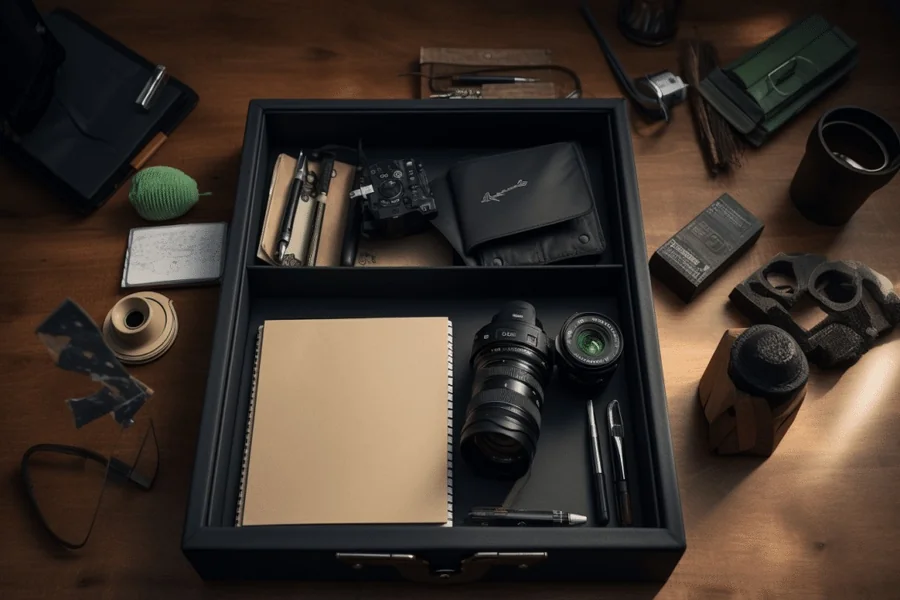
You probably know the basics of locking doors and setting alarms, but real protection starts long before a break in ever happens. The most effective security plans include not just prevention, but preparation. Registering and documenting your valuables is the bridge between the two. It ensures that if the unexpected occurs, you have a clear, verifiable record to support an insurance claim or even help law enforcement recover your items. And when paired with the best security system for the home, your preparation becomes both proactive and practical.
Think Like an Investigator, Not Just a Homeowner
When something valuable disappears, investigators do not just need a description like “silver bracelet” or “laptop.” They need specifics: serial numbers, engravings, unique details, and proof of ownership. By documenting your possessions in advance, you turn vague memories into usable evidence. Think of it as building a personal inventory database. Each entry increases your chance of recovery and reduces the stress of proving what you lost.
Start With What Matters Most
Not everything you own needs detailed registration, but certain categories always should. Start with electronics—laptops, tablets, cameras, and TVs. Then move to jewelry, collectibles, artwork, power tools, and any instruments or equipment that hold value. These are the items most often stolen and least likely to be recovered without identification. For each one, record the make, model, and serial number. If it has no number, mark it discreetly in a way that won’t damage it, such as with an ultraviolet pen or small engraving hidden from view.
Photograph, Label, and Backup
A simple photo series can save hours of frustration later. Take clear pictures of each item from multiple angles, and include close ups of any labels or identifying marks. Add a photo of the item in its usual location within your home. This visual proof helps both police and insurance adjusters verify that you actually owned it. Store these photos with your written records in a secure digital folder, preferably in cloud storage that you can access even if your computer is lost. You can also save a printed copy in a fireproof box or safe.
Use Technology to Your Advantage
Modern inventory apps make the process easy. Programs like Sortly, Encircle, or Memento Database let you create visual inventories with tags and categories. Many allow you to scan barcodes, upload receipts, and export files for insurance companies. For extra protection, store a copy of your digital list on an encrypted drive. Technology is only as reliable as your last backup, so set a reminder to update your inventory every few months.
Connect Your Records to Real Protection
Your documentation works best when paired with active prevention. If you already use cameras or smart sensors, connect them to your valuables list by tagging items with their storage locations. This helps you monitor specific zones like a jewelry drawer or home office. Smart home systems also allow real time alerts when a door or window is opened. Combining your inventory with a reliable alarm setup keeps your evidence up to date and your valuables harder to reach.
Use Registration Services Wisely
Some items can be registered directly with manufacturers or national databases. For example, bicycles, firearms, and high-end electronics often have registration programs that make identification easier. Check product manuals or company websites for details. For art or antiques, consider professional documentation through appraisers who provide certificates and valuations. The Federal Trade Commission’s consumer advice on identity and property records offers additional guidance for storing sensitive data safely.
Think Beyond Theft
Documenting your valuables is not just about burglaries. Fires, floods, and natural disasters can destroy proof of ownership just as easily. An accurate list can fast track your insurance claim and help you rebuild without guesswork. Keep in mind that photos showing the condition of each item can affect reimbursement amounts. The more detail you provide, the less likely you’ll have to settle for estimates.
Know What Your Insurance Really Covers
Most homeowners and renter’s insurance policies have limits for certain categories like jewelry, art, and electronics. Review your coverage and consider adding a rider for high value items. An updated inventory helps you determine if you need extra protection. The Insurance Information Institute’s guide to creating a home inventory breaks down how to align your documentation with coverage requirements. You can even share a copy of your list with your insurance provider for faster verification.
Include Hidden and Sentimental Items
Some of the most painful losses are not the priciest ones. Family heirlooms, photos, or personal letters may not have resale value, but they are priceless to you. Record their details and consider scanning or photographing them. For items like collectible books or inherited jewelry, note the story behind them. That history can help with appraisals later and preserve meaning even if the item is gone.
Refresh and Review Regularly
An inventory that sits untouched for years can quickly become outdated. New gadgets replace old ones, and furniture or decor shifts. Schedule an annual review to update your list and remove items you’ve sold or given away. If you upgrade your phone or add new jewelry, take photos and store receipts right away. Consistency turns this from a tedious task into an easy habit.
Keep Sensitive Data Secure
Your inventory will contain valuable details—serial numbers, purchase prices, even where items are stored. Protect that information. Use password protected folders or encrypted apps. Avoid emailing full lists without encryption, and never store passwords alongside the file. If you share the document with an insurance agent, send it through their secure upload system.
Documentation as Peace of Mind
Registering and documenting your valuables may not stop a burglary, but it changes how you respond afterward. You will not waste days searching for old receipts or arguing over what you owned. Instead, you can file precise claims, cooperate with investigators, and rebuild quickly. It is one of those rare tasks where a few hours of organization today can save weeks of chaos later.
Real security is not just about locks or alarms. It is about knowing what you have, proving it, and being ready for whatever happens next. When your records are detailed, current, and protected, you give yourself something no one can steal—control over your own recovery.

